
Old tile and concrete can make a space feel tired, uneven, and hard to update. A trained removal crew brings order to the first stage of a flooring project. Their work sets the base for fresh materials, cleaner lines, and a better finish.
A floor removal team looks at the surface, the room layout, and the tools needed for the job. During professional tile and concrete floor removal, experts manage the hard work with care, planning, and proper equipment. That means less stress for the property owner and a cleaner path for the next installation.
A Detailed Floor Inspection
A good crew starts with a close look at the tile, grout, mortar, and concrete base. This inspection helps them understand how firmly the old flooring sits in place. They also check corners, doorways, cabinets, and wall edges.
This first step keeps the work organized from the start. The team can spot thick adhesive, uneven slab areas, or loose sections before removal begins. Clear planning helps the job move in a steady and practical way.
The Right Tools For Tough Materials
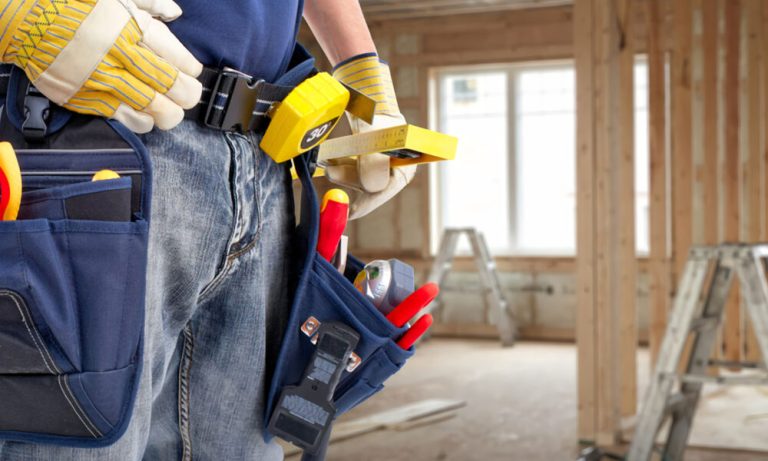
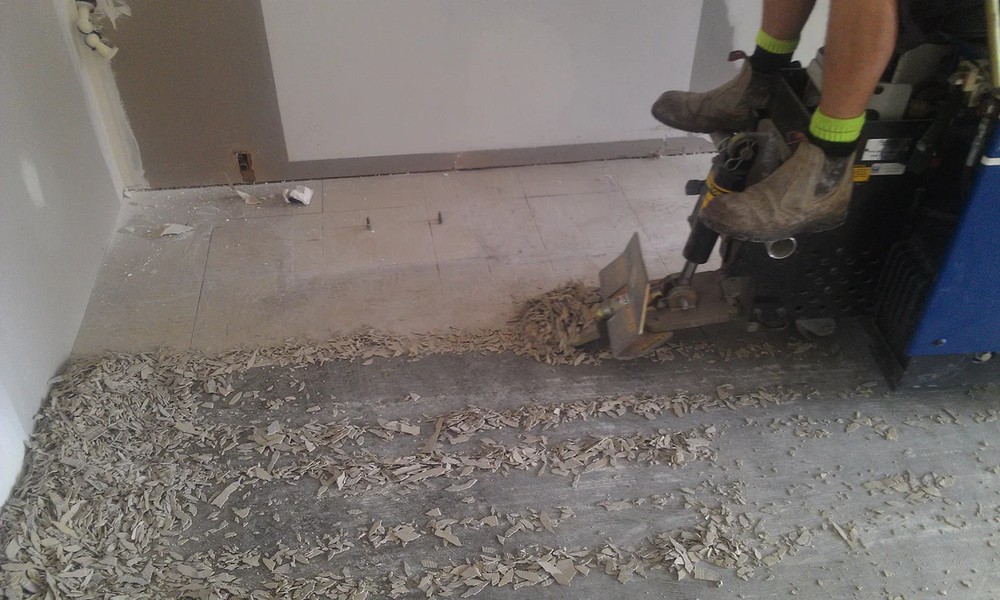
Tile and concrete need more than basic hand tools. Removal experts use floor scrapers, grinders, chisels, breakers, and dust-control systems made for heavy surfaces. Each tool has a clear purpose and helps protect the surrounding space.
A skilled crew knows when to use machine power and when to switch to hand work. Tight corners, edges, and transition strips need careful attention. This balance helps protect walls, trims, cabinets, and nearby flooring.
Cleaner Dust And Debris Control
Floor removal creates dust, tile chips, mortar pieces, and concrete fragments. Experts prepare the area so that debris stays contained as much as possible. Plastic barriers, sealed entry points, and vacuum systems help keep the mess under control.
Concrete dust can spread fast across nearby rooms. A professional crew uses extraction equipment to capture fine particles during grinding and scraping. This makes the space easier to clean once the floor is removed.
Careful Removal And Surface Prep
The team usually removes the floor in planned sections. This keeps the workspace manageable and helps workers see the condition of the surface underneath. It also makes debris collection easier throughout the job.
After the tile or concrete coating comes up, the base still needs attention. Crews remove leftover glue, thinset, rough patches, and loose material. A cleaner surface helps the next flooring installer work faster and achieve a better result.
Protection For Nearby Areas
A thoughtful crew protects more than the floor being removed. Door frames, baseboards, cabinets, nearby rooms, and entry paths all need care during the project. This helps the home or workspace stay orderly while heavy materials come out.
They may cover walkways, mark work zones, and move loose items away from the area. This gives workers space to move tools and ensures workers’ safety. It also helps the property owner feel more prepared during the process.
Cleanup, Disposal, And Final Checks
Floor removal produces heavy waste that needs proper handling. Experts collect broken tile, concrete pieces, old adhesive, and dust before leaving the site. They also move debris in a way that protects walkways and entry points.
A final check matters before the next stage starts. The crew reviews edges, corners, cracks, and uneven spots across the exposed base. This gives the property owner a clear idea of what the floor needs next.
Floor removal experts bring planning, strong tools, dust control, and careful cleanup to a demanding job. Professional tile and concrete floor removal gives new flooring a cleaner and more reliable base. The process also helps reveal surface issues that deserve attention before installation. A skilled crew makes the space feel ready for the next step. That steady, practical approach can make the whole flooring project feel far more manageable.