
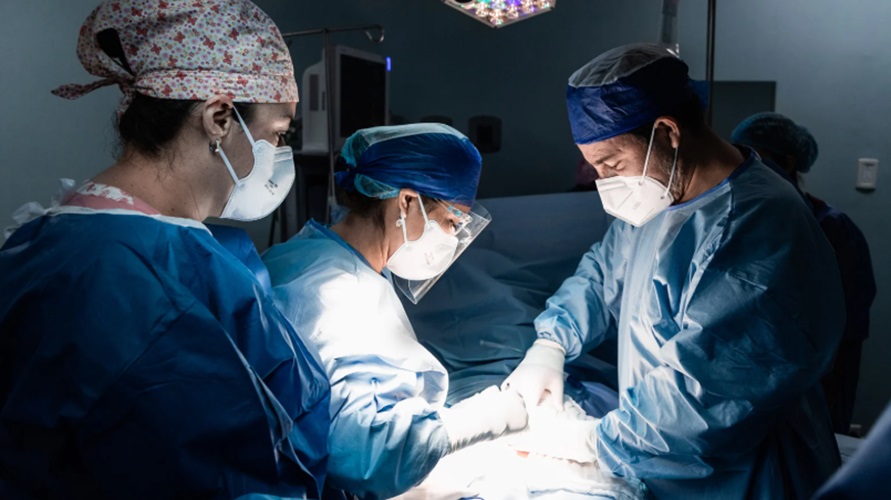

SIPS surgery (Stomach Intestinal Pylorus-Sparing surgery) is a powerful bariatric procedure that offers significant weight loss benefits with fewer complications and nutritional deficiencies than other surgical options. This advanced technique combines elements of both sleeve gastrectomy and duodenal switch procedures. For those considering SIPS surgeons in New York, understanding the recovery timeline is essential for a smooth post-surgical experience and long-term success.
What Happens Immediately After Surgery
Recovery begins the moment the procedure is completed. Most patients stay in the hospital for one to two days for observation. During this time, pain management, hydration, and early mobility are prioritized. Patients are encouraged to take short walks soon after surgery to reduce the risk of blood clots and support circulation.
Nausea, fatigue, and tenderness around the incision sites are common in the first few days, but these symptoms gradually ease with rest and medication. Follow-up instructions from the surgical team are critical and must be followed closely during this stage.
Choosing the right provider plays a significant role in the success of your recovery. It helps to understand how SIPS surgeons differ from traditional bariatric surgeons, especially in terms of surgical technique, long-term outcomes, and patient care approach. Having this clarity allows patients to make more informed decisions and feel confident in their choice of procedure.
Weeks One to Four: Transitioning and Healing
During the first month, patients typically follow a phased diet, starting with clear liquids and gradually progressing to full liquids, pureed foods, and then soft solids. These stages allow the stomach and intestines to heal without stress while helping the patient adjust to smaller portion sizes.
Energy levels may fluctuate as the body adapts to lower calorie intake, but light activity is encouraged to promote healing. Patients also begin learning new eating habits, such as taking smaller bites, chewing thoroughly, and avoiding drinking during meals. These changes are essential for avoiding discomfort and ensuring proper nutrition absorption.
One to Three Months Post-Surgery
As recovery continues, patients can slowly reintroduce more solid foods and resume most normal activities. Weight loss becomes noticeable during this period, often accompanied by increased energy and mobility. It’s also a crucial time for nutritional monitoring, as patients must maintain adequate protein intake and take prescribed supplements to avoid deficiencies.
Regular follow-ups with the bariatric team ensure progress is on track and any concerns are addressed early. Adjustments in diet or activity may be made based on how each patient is healing and responding to the surgery.
Long-Term Recovery and Lifestyle Integration
Beyond the three-month mark, the focus shifts from healing to maintenance. Patients are encouraged to remain committed to lifestyle changes, including mindful eating, regular physical activity, and attending support groups if needed. Emotional well-being becomes just as important as physical recovery, and many individuals benefit from counseling during this period of transformation.
Though SIPS surgery delivers impressive results, long-term success depends on sustained behavior changes. Weight loss typically continues for 12 to 18 months post-op, and with the right support, patients can achieve and maintain their health goals.
Conclusion
Recovering from SIPS surgery is a multi-phase journey that demands physical, emotional, and dietary commitment. From immediate post-op care to long-term lifestyle changes, each stage plays a vital role in achieving lasting weight loss and improved health. With expert guidance from experienced providers and a strong focus on recovery, patients can confidently move forward toward a healthier, more active life.