
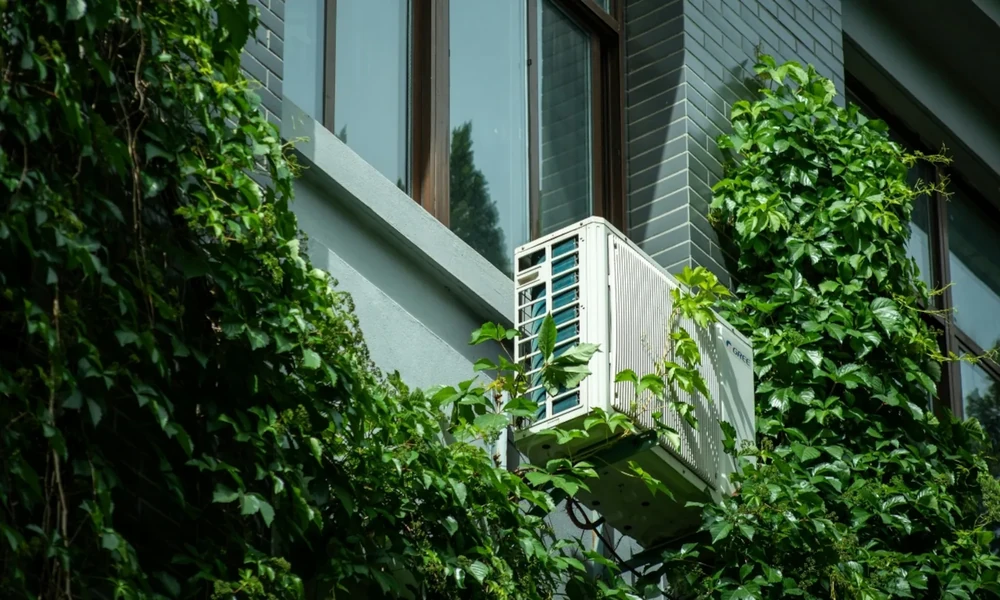

The Sacramento Valley put air conditioners through a long test this year. The first heat advisory came in mid June, triple-digit stretches returned through July and into August, smoke drifted in on some afternoons, and several nights barely dropped below the mid 60s. A system that made it through all of that has not necessarily come out undamaged. Heat and dust wear down parts gradually, and much of that wear stays hidden until the next warm October afternoon or the first morning a heat pump switches to heating.
That is the reason fall is a smart time to have a technician look at a system that seemed fine in August. All 1 Mechanical answers calls around the clock, keeps weekend hours, and backs its work with a satisfaction guarantee. Reviewers often say its technicians found the actual fault in a unit another company had written off for replacement. For ac repair in Roseville, including central systems, heat pumps and ductless units, the licensed team (CSLB #1039821) can track down the parts listed below before they fail. Call 916-345-3743 to get on the schedule while demand is low.
1. A Run Capacitor That Has Lost Its Strength
The capacitor gives the compressor and outdoor fan motor the push they need to start and keep running. Heat wears it down faster than anything else. A capacitor sitting in a metal cabinet in direct afternoon sun can run far hotter than the air around it, and each summer of that slowly reduces its rated capacity. One that has dropped well below its printed rating may still start the system, but it makes the motors draw more current and run hotter. Eventually the compressor hums and doesn’t start at all.
Signs this part is getting weak include:
- A loud hum from the outdoor unit for a few seconds before it starts
- An outdoor fan that spins slowly or needs a push to get going
- A breaker that trips on hot afternoons but not in the morning
- A capacitor with a domed or bulging top when the panel is removed
A technician can test the capacitor with a meter in a few minutes. It is one of the least expensive parts in the system, and a failing one can take a compressor down with it.
2. A Pitted Contactor and Tired Wiring
The contactor is the switch that closes each time the thermostat calls for cooling. A system that cycled all day through August may have closed that switch thousands of times since spring. Each cycle creates a small spark across the contact points. Over time the contacts pit and burn, and they can eventually weld shut or stop closing reliably. Insects add to the problem in the valley because ants are drawn to the electrical field and can pack themselves between the contacts.
Wear from the summer tends to show up as:
- Blackened or cratered contact surfaces
- A clicking sound outside with no compressor start
- An outdoor unit that keeps running after the thermostat is satisfied
- Brittle or discolored wire insulation near the terminals
3. A Condenser Coil Packed With Valley Debris
The outdoor coil gets rid of the heat pulled from inside the house, and it can only do that with air flowing freely through its fins. The Department of Energy’s air conditioner maintenance guidance points out that the thin aluminum fins bend easily and block airflow, which reduces efficiency. In Roseville, the fins also collect whatever is in the air from spring through fall.
Common sources of buildup on local coils include:
- Fine dust blown in from dry fields and new construction on the city’s western edge
- Grass pollen and seed fluff from late spring
- Leaves and lawn clippings trapped against the base of the cabinet
- A gray film of smoke residue after fire season
A coil coated in this debris forces the compressor to run at higher pressures and temperatures. That damage doesn’t show on a 75 degree day, but it shortens the life of the most expensive part in the system.
4. A Smoke Loaded Filter and Evaporator Coil
Fire season adds fine particles to everything a system pulls in. The EPA’s guidance on wildfire smoke and indoor air suggests a MERV 13 filter, or the highest rating the system can handle, and running the fan continuously during smoky periods. It also says to change filters more often than the manufacturer recommends while smoke lasts. Many homeowners upgraded the filter in June and then forgot about it.
A dense filter left in place too long causes several problems:
- Airflow across the indoor coil drops, so the coil can freeze into a block of ice
- Air finds paths around a poorly fitted filter and carries smoke and dust onto the coil
- The blower motor works harder and runs hotter through every cycle
Homes that still use evaporative coolers deal with an extra issue. The cooler’s pads absorb smoke, and they usually need to be replaced, not just dried out, once the season ends.
5. A Slow Refrigerant Leak the Heat Exposed
A small leak often goes unnoticed in mild weather. A long heat wave brings it to light. When the system runs for hours and still can’t bring the house down to the set temperature, low charge is a common cause. Ice forming on the copper line at the outdoor unit and a bill higher than the weather explains are two more signs to watch for.
Topping off refrigerant without finding the leak is a short-term fix. Older systems still use R-410A, which is getting more expensive as the industry moves to newer refrigerants. Leaks in evaporator coils often come from tiny corrosion pinholes, and a technician can locate them with electronic detection or a nitrogen pressure test.
If the repair involves replacing the coil, the compressor or the condenser, California treats that as an alteration. It requires a permit and field verification by an approved rater through one of the state’s approved energy code verification providers. That step makes it worth finding the leak before making any decision about replacement.
6. A Condensate Line Growing Slime in the Attic
An air conditioner pulls water out of the air even during dry summers, and that water drains through a small line from the indoor coil. In a Roseville attic that stays well above 100 degrees for weeks, the line and the pan beneath the coil create an ideal place for algae and slime to grow. A partial clog lets water back up slowly. Many systems have a float switch that shuts off cooling when the pan fills. Systems without one can overflow into the ceiling drywall, which often shows up first as a brown ring in the hallway.
Clearing the line, flushing the pan and checking that the float switch works takes little time. Doing it now also matters for heat pumps. Many of them run a defrost cycle in winter that sends water through the same drain path, so a clog left from summer can cause problems in December as well.
Each of these issues follows the same pattern. The summer causes the damage, but the symptoms often stay hidden until the system faces the next hard stretch. An inspection in October can find most of them at the stage where a small part, a coil cleaning or a cleared drain line takes care of the problem before next June’s heat arrives.