
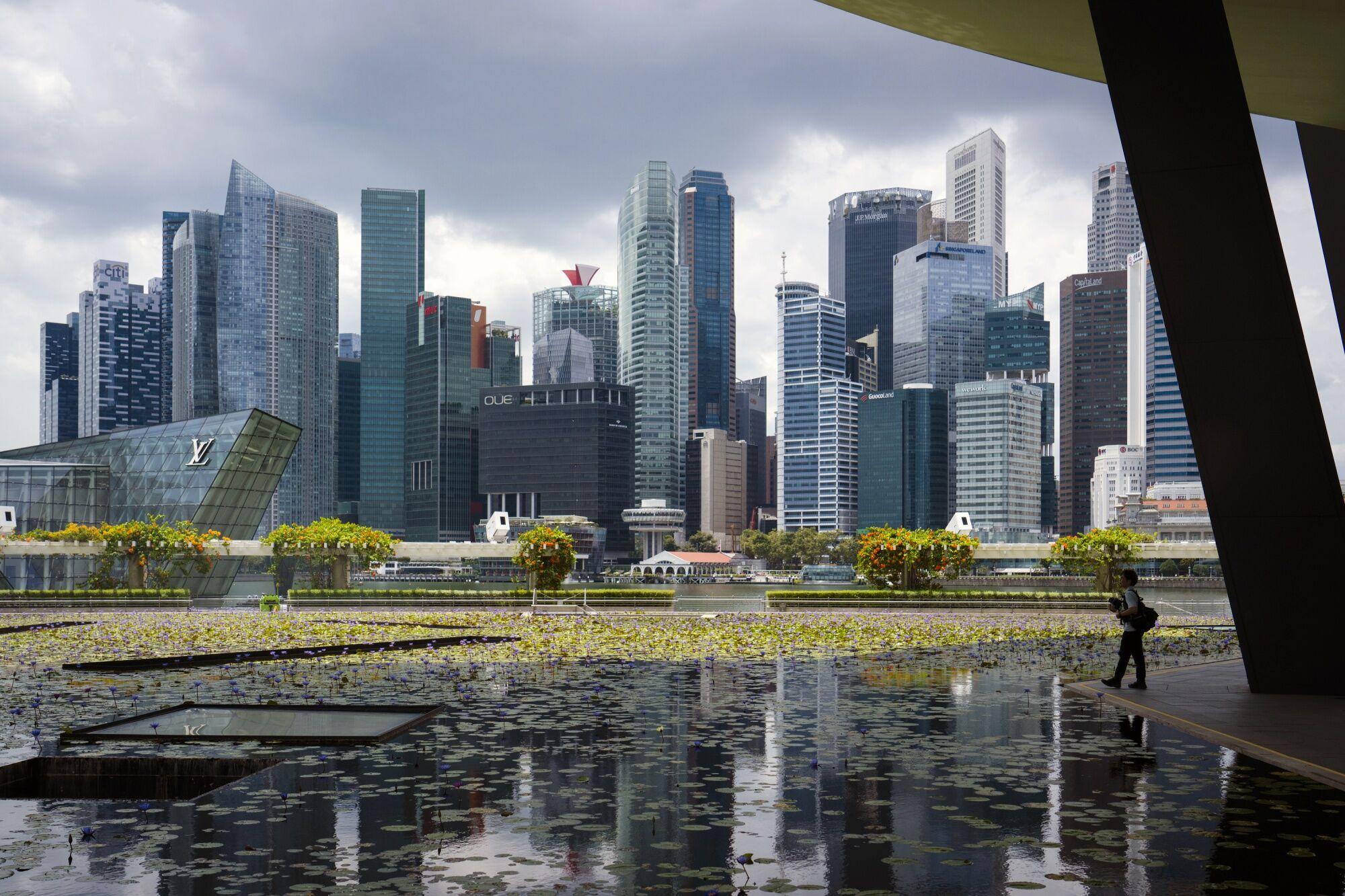

In a progressively interconnected globe, small and medium-sized enterprises (SMEs) in Singapore are planning new paths toward worldwide growth. As worldwide markets reopen and science breaks down established barriers, 2025 is forming up to be an important year for SMEs seeking to expand beyond local borders.
Fuelled by administration support, digitalization, and strategic cooperation, more SMEs are seizing the moment to scale up overseas. Read the full article below to learn about “International Expansion: SMEs Set Sights Beyond Singapore in 2025”.
Why International Expansion Is on the Rise
Several determinants are driving this wave of worldwide ambition with Singaporean SMEs:
1. Market Saturation at Home:
Singapore’s limited household market intensity means many trades quickly reach a saturation ceiling.
2. Government Incentives:
Initiatives like Enterprise Singapore’s Market Readiness Assistance (MRA) and Global Innovation Alliance (GIA) offer capital and guidance for all-encompassing ventures.
3. Digital Transformation:
E-commerce platforms, cloud estimating, and remote active tools are easily and economically accessible to conduct cross-border operations.
4. Diversification of Risk:
Expanding into diversified markets helps SMEs mitigate risks firm to local economic vacillations or disruptions.
Key Markets Targeted by Singaporean SMEs
In 2025, SMEs will no longer just be scrutinizing regional neighbours. They are investigating diverse markets, established industry trends, consumer demand, and ease of doing business.
1. Southeast Asia
- Strong cultural and trade ties
- Rapidly growing common population
- Preferential professional agreements under ASEAN
2. China and India
- Massive service bases
- Increasing demand for premium and innovative brands
- Growing openness to external brands
3. Australia and New Zealand
- Stable regulatory surroundings
- High demand for tech and aids
- Clever stepping stones into Western markets
4. Africa & Middle East
- Infrastructure grants creating trade opportunities
- Interest in prime goods from Singapore
5. North America and Europe
- Advanced recessions with slot demand
- Collaboration opportunities in research, novelty, and tech
Challenges SMEs Face in Internationalization
Despite the hopeful landscape, SMEs still face hurdles in going worldwide:
1. Regulatory and Compliance Barriers:
Understanding different allowable systems and tax regimes may be complex.
2. Access to Capital:
International growth requires straightforward investment, and capital can be a challenge for smaller businesses.
Procedures for Successful Expansion
To handle these challenges, SMEs are adopting several smart procedures:
1. Leverage Government Support:
Tap into grants, overseas trade matching, and work missions presented by Enterprise Singapore.
2. Form Local Partnerships:
Cooperate with local distributors, assistants, or joint ventures to ease market entrance.
3. Invest in Market Research:
Understand the consumer attitude, competition, and supervisory climate of the target country.
4. Build a Scalable Business Model:
Use digital platforms and cloud solutions to accomplish operations capably. You can also contact and visit https://timcole.com.sg/.
5. Focus on Niche Offerings:
Rather than competing widely, SMEs should goal specific gaps in different markets.
Conclusion
With Singapore’s pro-trade ecosystem, strong infrastructure, and worldwide reputation, SMEs are well-stood to take their products and aids to the global stage. By 2025, worldwide expansion is not just an alternative for Singaporean SMEs—it is becoming an inevitable step for sustainable development.
For businesses intending to thrive in a cutthroat global atmosphere, now is the time to think further borders.