
Most window advice online was written for a house in Ohio. Your house is not in Ohio. It sits at five thousand feet, gets hammered by ultraviolet light nine months a year, and collects fine desert dust in every track and channel. That difference matters more than any brand comparison you will read this week.
Replacement glass sold in Albuquerque metro homes has to survive a climate that swings forty degrees between morning and afternoon in spring. If you are weighing window replacement in Rio Rancho, the decision comes down to three things: how the frame handles heat cycling, who installs it, and whether the stucco gets put back correctly. Get those wrong and you will be doing this again in eight years.
This guide covers what actually fails out here, how to read a quote, and the questions I would ask any crew before letting them near my walls.
Why high desert windows fail differently
Ultraviolet exposure is the quiet killer. Vinyl frames chalk and yellow on south and west elevations, and seals around insulated glass units crack long before the glass itself gives out. Once that seal breaks, moisture gets in, the desiccant saturates, and you get the foggy double pane everyone in the Southwest recognizes.
Then there is dust. It works into sliding tracks and weep holes, and a track packed with grit grinds the rollers down fast. I have watched a five year old slider that never got vacuumed fight harder than a twenty year old casement that did.
Thermal cycling does the rest. A frame that expands and contracts every single day stresses the caulk line at the exterior. That is where most leaks start, not at the glass. According to the Department of Energy, windows can account for a significant share of a home’s heating and cooling load, which means a failed seal is not just a cosmetic problem in a place where summer afternoons cross 95 degrees.
The Sunline Test: a five minute check before you call anyone
I made this up after years of walking properties, but it works. Stand outside at roughly 3 p.m. on a clear day when the sun is on your worst wall. Look at each window for thirty seconds and score it on three questions.
- Sunline: Is there a visible haze, fog, or wavy pattern between the panes? That is a failed seal, full stop.
- Shadow gap: Run a finger along the interior caulk line. Any crack, soft spot, or cold draft means the seal at the wall is gone.
- Surface heat: Touch the interior glass. If it feels like a stovetop, the glass is doing nothing for you.
Two or more hits on a single window and it is a candidate. Three hits across an entire side of the house and you are probably looking at a full elevation rather than a patch job. This test keeps you from replacing one window when the whole wall shares the same failure mode, which is the most common way homeowners waste money.
What a fair quote actually contains
Here is the part I would tattoo on every contract if I could. The window is roughly half the job. The other half is what happens at the opening, and that is where cheap bids hide their margin.
A serious quote names the glass package, the U-factor and solar heat gain numbers, the frame material, and the installation method. It also says exactly how the stucco will be cut back and patched. New Mexico homes are wrapped in stucco, and stucco done badly after a window swap is a slow water intrusion problem you will not notice for two summers.
Watch for these tells:
- A per-window price with no installation method specified
- No mention of flashing or sill pan
- Stucco repair listed as “by others” or left off entirely
- A labor warranty under one year
My pick: pay more for a crew that states the stucco repair in writing, even if the glass package is identical. Water damage behind a wall costs ten times what the upgrade does. The Department of Housing and Urban Development publishes guidance on home improvement contracting that is worth ten minutes before you sign anything, mostly because it forces you to read the scope line by line.
Should you replace every window at once?
Usually no, and I will defend that. Break the house into elevations and start with the side that takes the most weather. West and south walls in the Rio Rancho area get the worst of it, so those pay you back first, both in comfort and in reduced cooling load.
Full house replacement makes sense in two cases. You just bought and the inspection flagged widespread seal failure, or you are planning exterior work anyway and want the mess over with in one pass. Otherwise, phase it. You will learn a lot from the first batch, including whether you like the crew.
One more thing: check whether your existing windows are original to the build. Homes from the 1990s and early 2000s in this market often hit the end of their seal life around the same time, which is why whole neighborhoods seem to replace in waves.
Installation details that decide the next twenty years
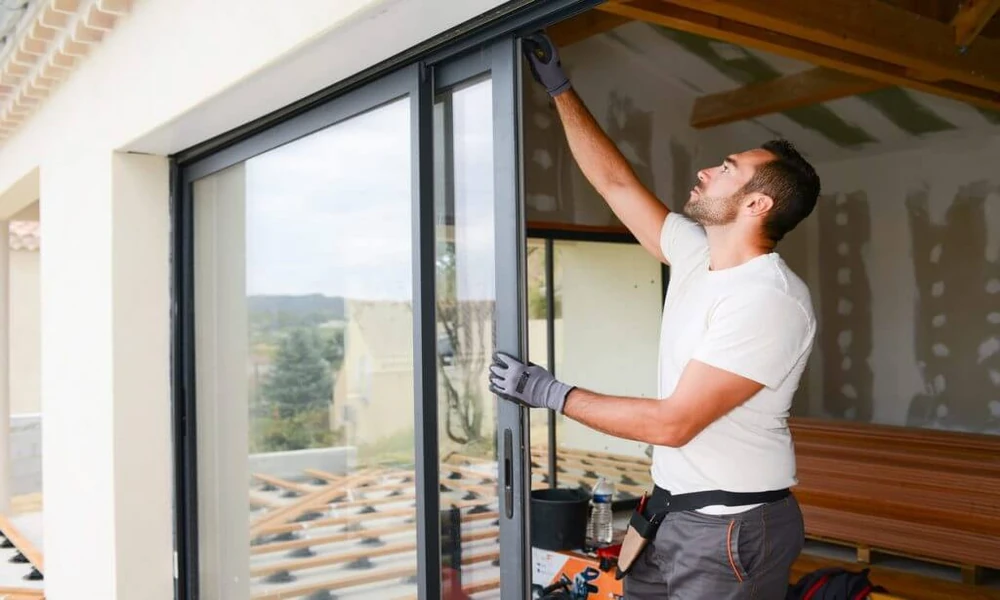
Two methods dominate: pocket replacement, where the new unit fits inside the old frame, and full frame replacement, where the whole assembly comes out. Pocket installs are faster and cheaper. Full frame gives you a clean opening, better flashing integration, and a fresh sill.
In stucco homes with any history of moisture at the opening, I lean full frame. Yes, it costs more. Yes, it means stucco repair. It also means you can see the framing and fix rot while it is exposed rather than discovering it in a decade.
Ask how the crew handles flashing at the head and sill, and confirm they seal the rough opening before the new unit goes in. According to the National Fire Protection Association, egress requirements for sleeping rooms set minimum opening dimensions, so if you are changing window styles in a bedroom, verify the new unit still opens wide enough to satisfy code. That detail trips up people swapping sliders for fixed or awning units.
Finally, schedule installation outside the windy spring window if you can. Stucco patching in blowing dust is a recipe for a rough finish, and crews rush when the weather turns.
Getting your money’s worth
Replacement windows are not a glamorous purchase. Nobody shows them off. But in this climate they do real work: they cut heat gain on west walls, they stop dust infiltration, and they eliminate the foggy pane you have been staring at since 2019.
Run the Sunline Test this weekend. Get three quotes, read the scope lines, and ask each crew to describe the stucco repair in their own words without looking at the paperwork. The one who answers fluently is the one you hire.
What is your worst window facing right now, and how long have you been ignoring it?