

Tooth restoration can help with comfort, bite function, and your smile after damage or tooth loss. Crowns and bridges serve different needs, so the right choice depends on the condition of each tooth. A careful dental evaluation can help patients avoid rushed decisions and plan treatment with more confidence.
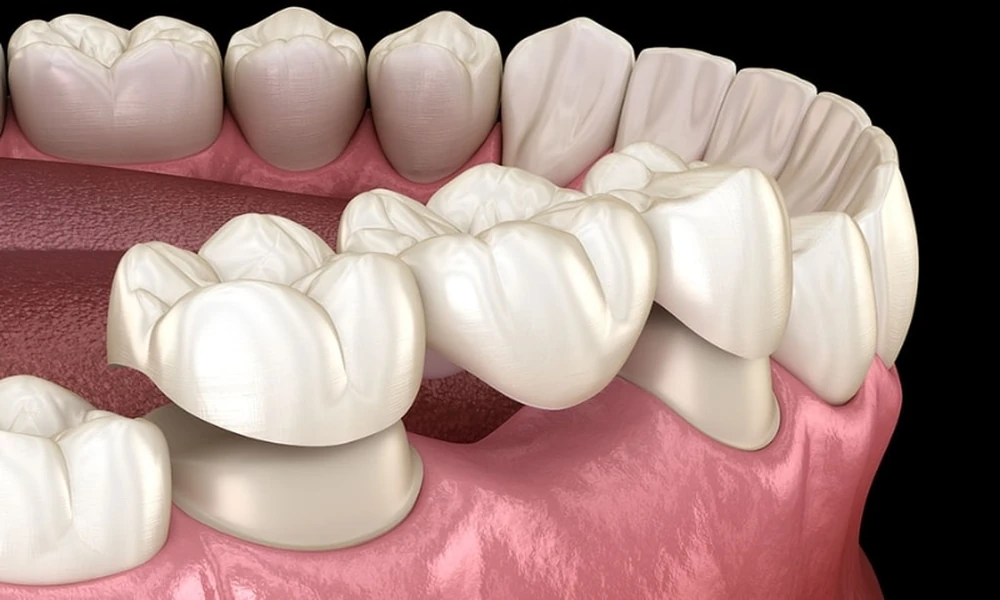
Patients who need dental crowns and bridges in NYC should understand how these restorations work before treatment begins. Crowns can cover damaged teeth, while bridges can replace missing teeth with support from nearby teeth or implants. Now, this article explains five practical points patients should consider before they move forward with restorative dental care.
Tooth Condition and Treatment Purpose
A crown may help protect a tooth that has a large crack, heavy wear, or major structure loss. It can also restore a tooth after root canal therapy or a large repair. The goal is to cover the visible tooth surface so it can function with better strength.
A bridge may help when one or more teeth are missing in a section of the mouth. It can restore chewing support and help reduce stress on nearby teeth. Patients should ask which restoration fits the tooth concern, bite pattern, and long-term oral health plan.
Material Choice and Smile Appearance
Crowns and bridges can be made with ceramic, porcelain, porcelain fused to metal, or other durable dental materials. The right material should match the tooth location, bite force, and desired appearance. Front teeth may need a natural shade match, while back teeth may need extra strength.
Patients who choose dental crowns and bridges in NYC should ask how the material will look under daily light. Shade, shape, and contour can affect how natural the restoration appears in the smile. A well-planned restoration should blend with nearby teeth while still offering reliable function.
Bite Comfort and Daily Function
A restoration should feel comfortable when the teeth meet during meals and speech. If the bite feels too high, uneven pressure may cause soreness or jaw strain. A dentist can check bite contact and make careful adjustments before the final fit feels complete.
Daily function also depends on where the crown or bridge sits in the mouth. Back teeth handle stronger chewing pressure, so they need stable support and precise shape. Front teeth play a larger role in speech and smile appearance, so detail matters there as well.
Care Needs After Treatment
Crowns and bridges still need daily care because natural tooth structure and gum tissue remain nearby. Plaque can collect near the margins, especially around the gumline and under bridge areas. Careful brushing and flossing can help protect the restoration and the teeth that support it.
Patients in NYC may need floss threaders, interdental brushes, or a water flosser for bridge care. These tools can help clean spaces that regular floss may miss. Routine dental visits also allow the dentist to check margins, gum health, and bite changes.
Long-Term Value and Treatment Planning
A dental crown or bridge should be viewed as a long-term oral health investment. The cost should reflect material quality, case complexity, lab work, and clinical precision. A low-cost restoration may create future concerns if the fit, shape, or support is poor.
Patients who need dental crowns and bridges in NYC should ask about expected lifespan, maintenance, and possible future treatment needs. Good planning can reduce surprises and help the restoration serve the mouth for years. A clear treatment plan can also help patients understand timing, comfort steps, and follow-up care.
Dental crowns and bridges can restore damaged or missing teeth when patients in NYC choose the right approach. Tooth condition, material type, bite comfort, home care, and long-term planning all affect treatment success. A thoughtful decision can support a stronger bite, a healthier smile, and greater confidence in daily life.