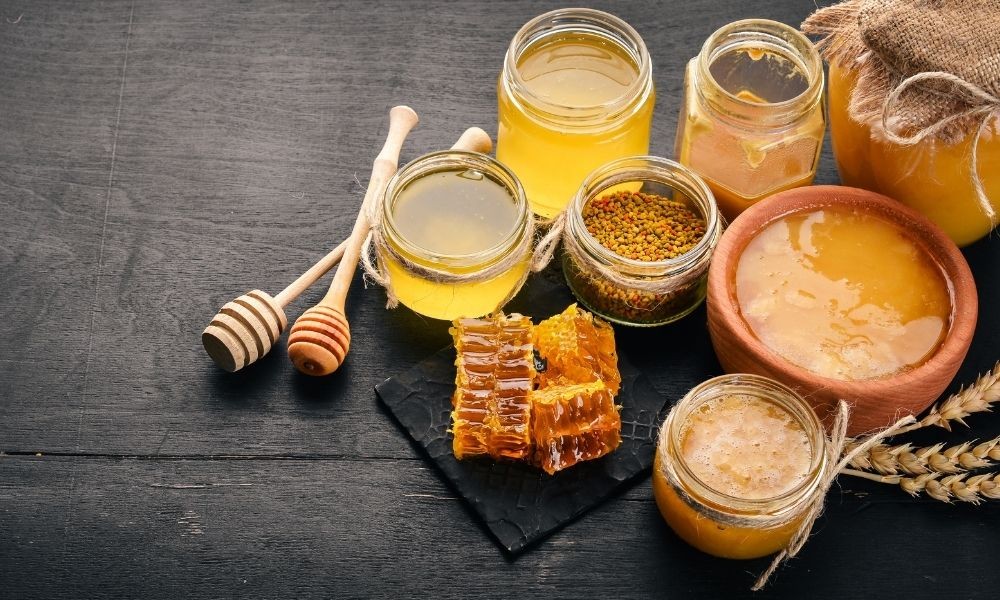

Central Texas offers a rich and diverse landscape that directly shapes the flavor of its honey. From wild prairies to flowering trees, bees collect nectar from a wide range of plants, creating distinct taste profiles in every jar. The result is a collection of honeys that vary in color, aroma, and sweetness depending on the season and floral source.
Raw honey, especially when unfiltered and unpasteurized, reflects the environment where it is produced. According to research, honey flavor depends heavily on the nectar source, with monofloral and polyfloral varieties offering unique characteristics tied to specific plants. Exploring Central Texas honey varieties reveals a fascinating mix of bold, floral, and earthy flavors worth experiencing. Here are some standout types commonly found in this region.
Wildflower Honey From Local Blooms
Wildflower honey remains one of the most popular choices across Central Texas. Bees collect nectar from multiple flowers, resulting in a complex and layered flavor profile. This variety changes slightly with each season, depending on which plants are in bloom.
Raw wildflower honey carries floral, fruity, and slightly herbal notes that feel balanced and natural. Many local producers highlight this type as their signature offering because it reflects the region’s biodiversity. Its versatility makes it ideal for tea, baking, or simple daily use.
Mesquite Honey With Rich Earthy Notes
Mesquite trees grow widely across Texas and contribute to a distinct honey variety in Central Texas. Bees gather nectar from these trees, producing honey with a mild sweetness and earthy undertones. Mesquite honey appears lighter in color compared to darker forest varieties.
Its smooth texture and subtle flavor make it appealing for those who prefer less intense sweetness. The plant itself plays an important role in supporting pollinators in the region. This honey pairs well with savory dishes and marinades due to its balanced taste.
Clover Honey With Light Floral Flavor
Clover honey stands out for its delicate sweetness and clean finish. Bees collect nectar from clover blossoms, producing a lighter and milder honey. This variety works well for everyday use because it does not overpower other flavors.
Its pale color and smooth consistency make it a favorite among many households in Central Texas. Clover honey appeals to those new to raw honey due to its approachable taste. It blends easily into beverages, spreads, and desserts without dominating the flavor.
Cedar Honey With Bold Herbal Character
Cedar-based honey offers a deeper, more intense flavor compared to lighter varieties in Central Texas. It carries slightly woody and herbal notes that reflect the surrounding vegetation. This type tends to have a darker color and thicker consistency.
Its bold taste makes it a preferred choice for those who enjoy strong, distinctive flavors.
Cedar honey works well in recipes that benefit from a richer sweetness profile.
It also complements cheese boards and roasted dishes with ease.
Seasonal Blossom Honey With Unique Profiles
Seasonal blossom honey includes varieties such as fruit tree, herb, or specialty floral sources. These honeys fall under monofloral categories when bees focus on a single dominant bloom. Some may carry citrus notes, while others present mild spice or floral sweetness.
Availability changes throughout the year, making these varieties exciting to explore.
They offer a chance to experience how different plants shape honey flavor in subtle ways. Each harvest brings a distinct taste profile that reflects seasonal shifts across the landscape.
Central Texas honey varieties offer far more than simple sweetness, providing a direct connection to the region’s natural environment. Exploring these varieties reveals a range of flavors that suit different preferences and culinary uses. Each jar captures the essence of local blooms, soil, and seasonal conditions in a natural form. This diversity allows enthusiasts to appreciate how regional flora influences taste, aroma, and texture.