

Plastic has transformed our lifestyles – lightweight packages, long-lasting goods, and practical containers. However, this comes with a huge cost: waste. With the growing plastic usage, the harm to our environment also increases. And this is exactly why knowing the ins and outs of plastic recycling is important, if not critical. That piqued our interest because it is one of the few solutions bringing new life to old plastics instead of taxing landfills and ecosystems.
What Plastic Recycling Really Means
The most basic definition of plastic recycling is the process of turning used plastic items into new, reusable materials. Recycling allows plastic to have a second life rather than sitting in a landfill for hundreds of years or floating in ocean currents somewhere. The concept is simple − but the reality is more complicated than most people realize.
How the Recycling Process Begins
Everything begins at the consumer end − your home, your office, the businesses you frequent.
-
Step 1: Collection
Communities deposit their plastic into recycling bins and waste management systems.
-
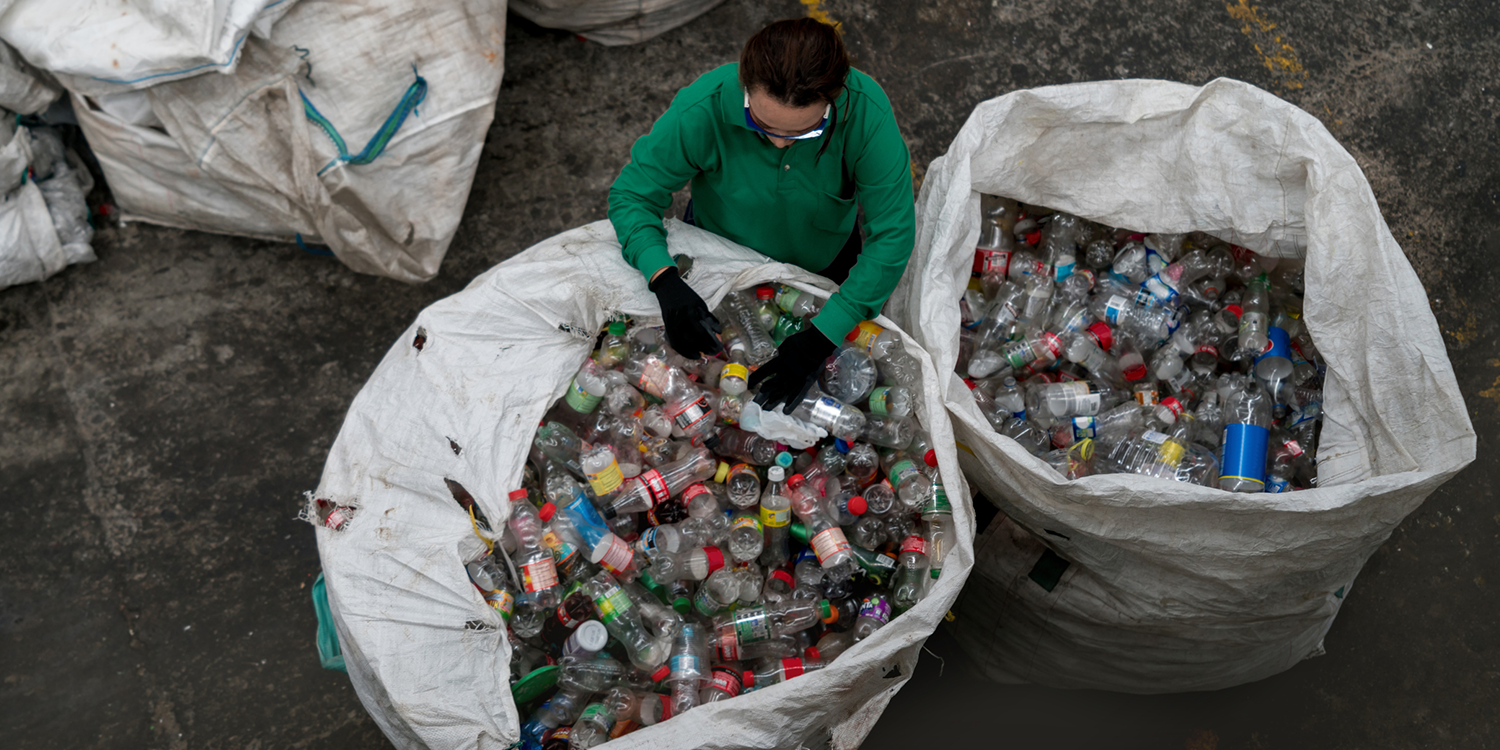
Step 2: Inspection and Sorting
Facilities sort plastics according to their type and quality. This is important, as not all types of plastic can be melted and recycled together.
How well the rest of the process will go depends on this initial sorting stage.
Recycling Resolution: Upcycling Old Plastics into New Materials
After you have it sorted, the real magic happens.
-
Cleaning
You should remove labels, food particles, oils, and dirt. Recycled plastic is higher quality with clean plastic.
-
Shredding
The plastic is cut into small pieces which helps in processing.
-
Melting and Pelletizing
The pieces are then melted down and formed into pellets, which serve as the feedstock for new products.
So, this is the most important step in plastic recycling. High quality pellets result in durable and reliable products that are ready for the manufacturing process.
What Recycled Plastic Becomes
Minds tend to think that recycled plastic can only be made into recycled plastic, when in fact, the applications are much wider.
Examples of how plastic can be recycled:
- Outdoor furniture
- Clothing fibers
- Garden supplies
- New packaging
- Construction materials
- Automotive parts
Such variety displays the continued importance of plastic recycling – it keeps waste out of landfills while propping up several industries.
The Reality: Challenges Still Exist
Recycling is never going to be an uncomplicated system. There are a few plastics that are hard to recycle. Others are too contaminated. High-tech recycling facilities are also scarce in most communities.
Common obstacles include:
- Products made of mixed materials that cannot be separated
- Thin plastics that jam equipment
- Nonrecyclable plastics into recycling bins
- But expensive cost of processing some materials
The above-mentioned challenges serve to highlight why education and proper sorting is so important.
What Individuals Can Do to Fortify the System
Recycling better starts with doing the simple things:
- Check local recycling guidelines
- Clean food scraps off of containers
- No wish-cycling (that is, recycling items that do not belong)
- Opt for recycled products
Even little changes in the plastic recycling process can make the whole system work more smoothly.
Final Thoughts
Plastic recycling is not simply an environmental buzzword, but a literal answer for the looming global crisis. Every single bottle, container or wrapper recycled is a piece of waste less contaminating our planet. Recycling becomes the most powerful tool to achieve a cleaner, more sustainable world when consumers, businesses, and wider communities keep on doing their bit.